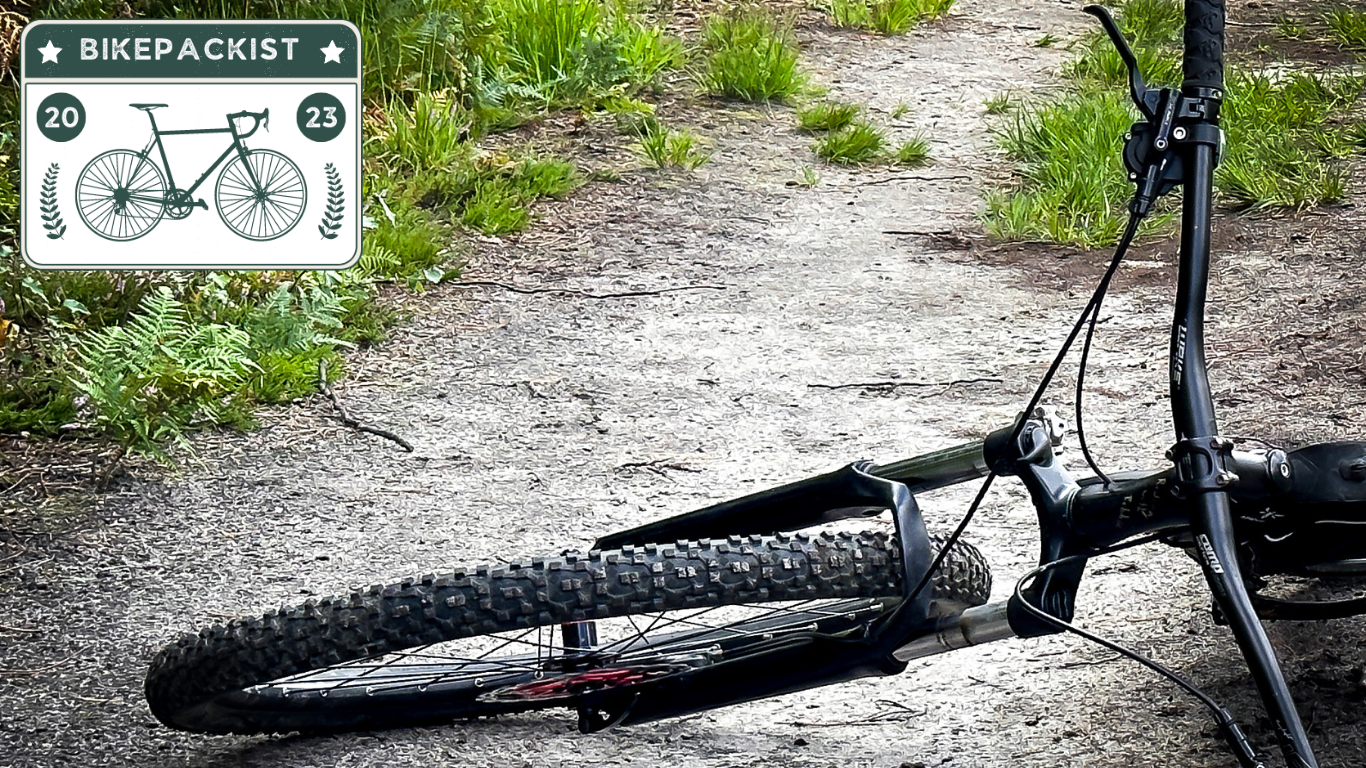
The beauty of bikepacking is that it doesn’t take much to get started. You can grab your bike, add some bikepacking bags and kit, and you’re pretty much ready for adventure. However, riding the right bikepacking bike is important if you want the best experience.
I get asked some awesome questions here at the Bikepackist, and many of these blogs are me answering them. One that I seem to get every so often is “Will this work as a bikepacking bike?” and a picture or model of the bike sent to me.
In this article, I will be telling you what makes a great bikepacking bike, and when you are looking for a bike to use, what characteristics to look for. We are going to be discussing:
- Why Don’t They Make Specific Bikepacking Bikes?
- What Characteristics Do We Look For In A Bikepacking Bike?
- The Best Types Of Bikes For Bikepacking

Why Don’t They Make Specific Bikepacking Bikes?
Before we start speaking about what makes a great bikepacking bike, it’s important to discuss the fact that very few brands openly make a bikepacking-specific bike. What I mean by this is often, brands will make a touring bike for touring, a TT bike for TT, but not a bikepacking bike for bikepacking.
This really comes down to many things. The main one is that I get the impression companies don’t want to brand a bike a “Bikepacking bike” because it might put people off, as they might think it’s only for bikepacking.
A good example is years ago, we had adventure bikes such as the Specialized AWOL. It was made for adventure with large tire clearance and relaxed geometry, but I don’t think it got a fair look because it was branded adventure. Even though it was incredible, it is one bike I regret selling.

What Characteristics Do We Look For In A Bikepacking Bike?
When advising people on what bike is great for bikepacking, instead of just listing a load of bikes that work, I much prefer to speak about the bike’s characteristics that should be good for bikepacking. Here’s what you need to know:
Relaxed Geometry
The first thing I look for when it comes to bikepacking bikes is a relaxed geometry. This is where you sit more upright and have a more comfortable position while riding. This is a common feature on gravel bikes, endurance road bikes, and hybrid bikes.
A good way to check the geometry, without going into spec sheets, is to look at the saddle’s height compared to the handlebars when the saddle is set at the correct height. If the handlebars are near level, that would be great. If they are higher, great. If they are lower, they may not be so good. Bike fits also help!

Larger Tire Clearance
Larger tire clearance is great to have when it comes to bikepacking. It means you have more ability on lots of different terrains, can get more comfort, and the bike overall can take a much bigger hit from a pothole.
Smaller tires are not always faster, and there’s a lot of evidence to prove this. When bikepacking on roads, I will use a 30c or a 32, gravel a 38c to 45c, and off-road often use mountain bike tires. If your bike doesn’t have much tire clearance, it can make it less adaptable.

Low Gearing
When bikepacking started getting very popular, I was turning up at events such as The Transcontinental and Inca Divide. One thing I noticed is that a lot of people underestimate the gearing. I would know I was one of them.
Gearing on a road or gravel bike straight out of the shop might not be low enough for bikepacking. You need very low ratios to climb steep climbs with a lot of weight, and without them, you can make it really challenging for yourself. Find out more about gears here.

A Saddle For You
Pain in the backside when bikepacking is nearly impossible to avoid. You can use the best chamois cream, padded shorts, and even ride on a steak, but if the saddle isn’t right, then it’s only going to make your trip more uncomfortable.
I highly recommend using a saddle that suits you. Many bike shops will have pressure mapping pads, or you might want to contact a bike fitter. The last option is to keep trying saddles, hoping for the best. Just do your best to be on the best saddle you can be.

Mounts For Racks
When I first started bikepacking, I mainly used road racing bikes and even, at one point, a TT bike for bikepacking (Ouch). During this time, I learned that a bike with rack mounts goes a long way in bikepacking.
Racks come in so handy for those longer adventures that might take you on some very lumpy trails. If your bike cannot take them then there are retrofit options but only the very expensive ones do the job properly in my opinion.
Comfort Features
Then we have comfort features. Surprisingly, many modern bikes have amazing features that heavily improve comfort. You have light suspension built into the forks and even the stem, seat posts that offer a small amount of travel, or even bikes with dropper posts.
If you can get a bike with these features, you are really on to a winner. Although they might seem gimmicky, these make a good difference to what you can expect after a few days of riding on some bumpy roads.

Bikes That Can Work With Bikepacking Accessories
In modern times, we have some amazing technology, and the bikes we have available are incredible designs for aerodynamics. However, this doesn’t always help when it comes to bikepacking, as it can make some of the accessories unusable.
A good example is that if you have oval handlebars, it can be very challenging to have aerobars. If you have a strange-shaped frame, not all bags fit well. Oversized seat post saddle bags don’t always sit right.
Disc Brakes
Although not always 100% needed, a great bikepacking bike will have them. Disc brakes are much better when it comes to stopping power. They come in both mechanical and hydraulic versions and are very easy to maintain.
When you are carrying all the extra gear and not always being able to pick and choose the weather you are riding in, disc brakes just make sense. Plus, I feel for all cycling that they are the future because that’s the way the industry is going.

The Best Types Of Bikes For Bikepacking
With the characteristics mentioned above, you probably have a few good ideas about what kind of bike will work, but if you don’t, here are my personal recommendations for an excellent bikepacking bike.
Gravel Bikepacking Bike
Gravel bikes are excellent for multi-terrain riding. They have a large tire clearance, relaxed geometry, and are very durable. They are perfect gravel bikes and also often come with rack mounts.
Endurance Road Bikepacking Bike
Endurance road bikes are a great route to go down if you plan on going bikepacking but staying on the road. They come with that relaxed geometry, are great for attaching bags with lots of space around the frame, and often have a slightly larger tire clearance.
Hardtail Mountain Bikepacking Bike
Great ability off-road, disc brakes, many options with a relaxed geometry, and you can get a wide range of bags to fit. Perfect for an off-road bikepacking trip and great value for money when it comes to ability vs cost.

Anything Goes
When it comes to bikepacking, really anything goes. You can use whatever bike you want, providing it is good for the terrain you’re going on and can carry bags. Why not? Many people don’t often buy a new bike when bikepacking but just use what they have.
I have seen people ride hybrid, city, and even time-trial bikes for bikepacking. While these may not give the best experience, they will still get you out on the roads and trails and enjoy everything adventure cycling has to offer.

A Final Note: Great Bikepacking Bikes
Thanks for taking the time to read this article. We hope you now know exactly what you’re looking for when it comes to getting a bike for bikepacking. If you enjoyed this article, you might also like Dealing With Dogs Bikepacking, Bikepacking Injuries, or Bikepacking Kit List.
2 responses to “What Makes A Great Bikepacking Bike?”
[…] this article, I will tell you everything you need to know about classic bikes for bikepacking, including why you might want to use them, why you might avoid them, and even what you can do to […]
[…] you enjoyed this article you might like Best Bikes For Bikepacking, What Makes A Great Bikepacking Bike, and Biggest Bikepacking Fears […]